
Where Can You Find Premium Event and Conference Spaces That Won't Drain Your Budget in Chicago?
Transforming Your Vision Into Reality With Versatile Venue Solutions
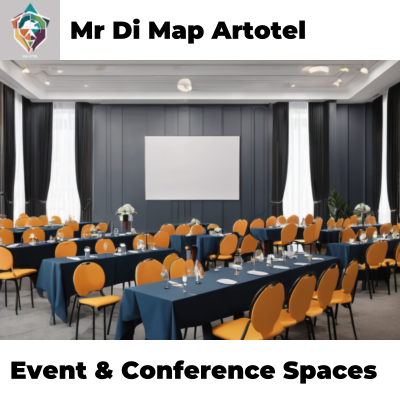
When you're tasked with organizing an event—whether it's a corporate conference, networking mixer, wedding reception, product launch, or intimate gathering—the venue becomes the foundation upon which everything else builds. The space you select carries profound weight. It shapes how attendees move through the environment, influences their psychological comfort, affects acoustics and sightlines, and ultimately determines whether your event achieves its objectives. This is where many event planners stumble: they search frantically for "event spaces near me" without understanding what truly matters in their selection criteria.
Mr Di Map Artotel recognizes that finding the right venue involves far more complexity than simply locating a room with four walls and adequate square footage. The establishment at 5959 Mr Di Ave, Chicago, IL 60608 US has positioned itself as a sophisticated solution for organizations seeking versatile, well-appointed spaces that accommodate diverse event formats without requiring exorbitant budgets.
Consider the typical challenges event organizers face. You need a space that adapts to your specific requirements. Perhaps you're hosting a 50-person workshop one month and a 200-person conference the next. Maybe you require breakout rooms alongside your main gathering area. You want professional presentation technology integrated seamlessly into the environment. At the same time, you're managing budget constraints—investors and stakeholders expect you to optimize every dollar spent on venue rental.
The distinction between merely "having space" and having the right space cannot be overstated:
- Right space accommodates your guest count with breathing room, not cramped conditions
- Right space features infrastructure supporting modern technology and hybrid event formats
- Right space offers flexibility for room configurations and layout adjustments
- Right space maintains professional aesthetics reflecting well on your organization
- Right space positions itself accessibly for your attendees
Understanding Chicago's Event Space Market and Affordability Realities
Chicago hosts approximately 2,500 conventions, conferences, and trade shows annually. The demand for quality venue space remains consistently high. Yet this abundance creates both opportunity and confusion for event organizers. When you search for affordable event spaces, you're competing against countless other planners for limited inventory at certain price points. Understanding market dynamics helps clarify why certain venues command premium pricing while others offer exceptional value.
The Spectrum of Pricing and What Drives Costs
Event venue pricing in Chicago fluctuates based on interconnected variables:
- Location proximity to downtown and transit infrastructure
- Building amenities (parking availability, on-site catering, climate control systems)
- Historic significance or architectural distinction
- Included technology versus à la carte technological add-ons
- Day of week selection (weekday versus weekend rates)
- Season and competing events on your chosen date
- Staffing requirements and vendor coordination complexity
Many venues in prestigious Chicago neighborhoods charge $50–$150 per hour simply for basic rental, before considering any additional services. These astronomical base rates exclude catering, audio-visual support, furniture rentals, or staffing. The cumulative expense becomes prohibitive for organizations operating under realistic budget constraints.
Conversely, some establishments recognize that providing reliable, well-maintained spaces at moderate rates generates sustained business through consistent bookings, positive referrals, and reputation building. This philosophy fundamentally differs from maximizing per-event revenue at the expense of accessibility.
Identifying True Affordability Versus Deceptive Pricing
Affordable doesn't mean cheap or second-rate. The distinction matters profoundly. Cheap venues often hide costs—they quote low base rates, then impose steep charges for essentials like parking, climate control, security deposits, or equipment usage. You might book a $40/hour room only to discover parking costs $15 per vehicle, audio-visual rental fees run $800, and they require a $500 security deposit plus a cleaning fee.
True affordability combines reasonable base pricing with transparent all-in costs. When a venue presents straightforward pricing structures without hidden surcharges, you can budget accurately and compare offers meaningfully against competitors.
Key Amenities and Features That Maximize Your Event Success
Technology Infrastructure for Modern Event Demands
Contemporary events operate differently than they did even five years ago. Hybrid formats—where some attendees gather physically while others participate remotely—have become standard practice rather than novelty. This transformation demands robust technological foundations.
Effective conference and event spaces now require:
- High-speed internet connectivity capable of supporting multiple simultaneous video streams without degradation
- Integrated projection systems with multiple input options (HDMI, wireless casting, USB-C compatibility)
- Professional-grade audio systems with microphone capability, speaker monitoring, and acoustic treatment
- Recording and streaming capabilities for capturing content and extending reach beyond in-person attendees
- Technical support personnel available during setup and throughout your event
When technology fails mid-event—which happens with shocking frequency in inadequately equipped venues—the consequences ripple through your entire gathering. Speakers lose presentation materials. Remote participants experience dropped connections. Attendees become frustrated. Your event's credibility diminishes.
Flexible Configuration and Spatial Adaptability
Different event formats demand different spatial arrangements. A panel discussion requires stage-and-audience configuration. A networking reception needs open floor space encouraging mingling. A workshop necessitates smaller clustered seating enabling group discussion. Many venues remain trapped in single configurations—they have fixed theater seating or unmovable round tables.
Truly adaptable spaces accommodate:
- Removable furniture and modular wall systems allowing rapid reconfiguration
- Multiple smaller breakout rooms alongside primary gathering areas
- Storage facilities for furniture during setup transitions
- Sufficient overhead clearance for hanging signage, projection screens, or decorative elements
- Natural light supplemented by adjustable artificial lighting systems
Climate Control and Comfort Considerations
Event attendees experience fatigue when environments are too hot, too cold, or excessively dry. These conditions seem trivial until you're sitting through a three-hour afternoon session in an overheated room struggling to concentrate. Inadequate climate control transforms otherwise excellent content into an uncomfortable ordeal.
Professional venues maintain:
- Individual temperature zone controls enabling different spaces to accommodate varying comfort preferences
- Humidity regulation systems preventing excessive dryness that irritates respiratory systems
- Air circulation systems ensuring fresh air exchange without creating drafts
- Backup systems activated if primary climate control malfunctions
Tailoring Spaces to Specific Event Typologies and Requirements
Corporate Conferences and Multi-Day Professional Gatherings
When organizations host conferences spanning two or three days with 150+ attendees, venue requirements become significantly more complex. Attendees arrive expecting:
- Consistent professional atmosphere throughout the facility
- Comfortable seating with adequate legroom preventing physical discomfort
- Reliable technology delivering polished presentations without technical glitches
- Multiple breakout room options enabling concurrent sessions
- Proximity to food and beverage services without excessive travel distances
Mr Di Map Artotel's conference spaces accommodate these sophisticated requirements. The facility's design recognizes that successful multi-day events demand attention to subtle details most venues overlook—adequate signage preventing navigation confusion, clearly designated rest areas, reliable electrical outlets at attendee stations, and accessible restroom facilities sized appropriately for gathering sizes.
Intimate Networking Events and Cocktail Receptions
Smaller, invitation-only events serve fundamentally different purposes than large conferences. These gatherings emphasize connection, conversation, and relationship building. Success metrics don't involve impressive attendance numbers but rather meaningful interactions among carefully selected participants.
Such events require spaces that facilitate conversation rather than formalized presentations:
- Open floor plans encouraging movement and mingling
- Bar and beverage stations distributed throughout the space
- High-top tables providing casual gathering points without assigned seating
- Lighting that's warm and inviting rather than harsh and institutional
- Acoustics that permit conversation without excessive background noise
The intimacy of these events means every detail becomes more noticeable. An uncomfortable room temperature, poor sound quality, or inadequate seating immediately undermines the intended atmosphere. Venues designed specifically for small-group gatherings understand these nuances.
Product Launches and Brand Experiential Events
Product launches represent high-stakes events where brand perception is established or reinforced. The venue's aesthetic qualities matter enormously—they communicate implicit messages about company sophistication, attention to detail, and brand values.
These events typically demand:
- Distinctive, memorable architectural or design elements distinguishing them from generic meeting spaces
- Flexible layouts allowing product displays, demonstration stations, or interactive installations
- Professional lighting and acoustic systems supporting video presentations and brand narratives
- Convenient access for vendors and service providers managing setup
- Photography and videography-friendly spaces enabling content creation for social media
Accessibility, Parking, and Logistical Considerations for Guest Experience
Transportation and Parking Solutions
Venue accessibility profoundly affects attendance decisions, yet many event planners underestimate this factor. If your venue requires attendees to circle endlessly seeking parking or involves complicated transit connections, you've introduced friction
into their experience before they've even entered the building. Attendees who arrive stressed about parking start your event already frustrated.
Chicago's geography creates specific parking realities:
- Downtown venues often rely on expensive commercial parking garages ($25–$40 per day)
- Residential neighborhoods may offer street parking but create uncertainty for out-of-town visitors
- Venues with dedicated on-site parking remove this anxiety entirely
- Public transit accessibility becomes crucial for attendees without vehicles
Mr Di Map Artotel's location at 5959 Mr Di Ave provides meaningful advantages. The facility offers parking solutions accommodating various group sizes without requiring attendees to navigate complicated external parking arrangements. This logistical simplicity transforms into genuine value—attendees arrive prepared to engage fully rather than depleted by navigation stress.
ADA Compliance and Inclusive Design
Professional venues maintain accessibility standards exceeding bare legal minimums. This commitment reflects both ethical responsibility and practical business sense—accessible venues welcome broader audience demographics and demonstrate organizational values aligned with inclusion.
Genuine accessibility encompasses:
- Wheelchair-accessible entrances without requiring circuitous routing
- Accessible restroom facilities with grab bars and adequate maneuvering space
- Elevators or ground-floor meeting areas accommodating mobility limitations
- Accessible parking spaces positioned conveniently near building entrances
- Clear wayfinding signage with high contrast and legible font sizing
- Assistance availability for attendees requiring accommodations
Beyond physical accessibility, inclusive events consider sensory needs. Some attendees benefit from designated quiet spaces during large gatherings. Others require visual accommodations or assisted listening systems. Forward-thinking venues anticipate these requirements rather than treating them as last-minute complications.
Proximity to Transportation Hubs and Regional Accessibility
Event attendees increasingly arrive via diverse transportation methods. Some drive personal vehicles. Others utilize rideshare services. Many depend on public transit, particularly for events in Chicago where the CTA network provides extensive coverage. Still others travel from out of state and require airport accessibility.
Strategic venue location considers:
- CTA bus and train proximity enabling transit-dependent attendees to arrive reliably
- Rideshare drop-off zones preventing traffic congestion from ride-hailing pickups and drop-offs
- Airport accessibility (typically 30–45 minutes maximum from venues hosting visiting professionals)
- Highway access for attendees driving from surrounding regions
- Clear signage and digital directions preventing arrival confusion
Catering Flexibility and Food Service Integration
On-Site Versus External Catering Options
Catering represents one of the largest event expenses, and venue policies dramatically affect your flexibility and total costs. Some venues require exclusive partnerships with specific caterers, enabling them to capture catering revenue while limiting your options and potentially inflating costs. Other venues maintain open catering policies, permitting you to contract with external vendors offering superior value or specialized menus aligned with your event objectives.
The financial implications prove substantial. Exclusive catering arrangements often cost 15–25% more than competitive market rates. Over a 200-person event, this premium translates into thousands of dollars in additional expense.
Optimal arrangements provide flexibility:
- Permission to engage preferred external caterers without penalty fees
- Reasonable kitchen access enabling food preparation and plating
- Service staff coordination allowing your caterer's team to execute professionally
- Beverage service options ranging from full bar to non-alcoholic selections
- Dietary accommodation capabilities addressing allergies, religious requirements, and preferences
Menu Customization and Specialized Dietary Requirements
Contemporary event attendees expect catering reflecting diverse dietary needs and preferences. Vegetarian, vegan, gluten-free, kosher, halal, and allergen-conscious options represent standard expectations rather than special requests. Events failing to accommodate these requirements exclude participants and signal organizational insensitivity.
Professional venues partner with caterers maintaining sophisticated capabilities:
- Trained staff understanding cross-contamination prevention for allergen management
- Diverse protein and carbohydrate options beyond the traditional chicken-beef-fish trio
- Fresh, locally-sourced ingredients when possible, supporting sustainability values
- Presentation quality elevating catering beyond institutional food service
- Timing coordination ensuring food service aligns seamlessly with program flow
Beverage Services and Bar Management
Alcohol service at professional events introduces legal, financial, and logistical complexities. Venues requiring you to use their exclusive beverage vendors often impose significant markups. Alternatively, venues permitting external beverage service sometimes impose administrative fees undermining cost savings.
Understanding beverage policies prevents unpleasant financial surprises:
- Cash bar versus hosted bar arrangements and their cost implications
- Alcohol liability insurance requirements and coverage verification
- Bartender licensing and venue staffing versus external service provider options
- Pricing structures comparing per-drink charges, per-person consumption estimates, or flat hourly bar fees
- Non-alcoholic beverage quality ensuring non-drinking attendees receive equivalent care and attention
Staffing Support and Technical Service Excellence
On-Site Event Coordination and Venue Staff
Successful events require coordination between numerous moving parts—setup logistics, technology troubleshooting, timing management, attendee flow, contingency planning. Venues providing dedicated event coordination staff dramatically reduce the burden on event organizers and significantly improve execution quality.
Competent venue staff manage:
- Timeline adherence ensuring setup completes on schedule
- Technical issue resolution before problems cascade into disruptions
- Attendee accommodation addressing unexpected needs arising during events
- Contingency activation if primary systems malfunction
- Post-event breakdown and facility restoration to original condition
The difference between venues offering professional event coordination versus those requiring organizers to manage all logistics independently cannot be overstated. Coordinators with extensive experience anticipate problems before they occur, troubleshoot gracefully under pressure, and maintain event flow even when unexpected complications arise.
Audio-Visual Technical Support and Equipment Reliability
Most event failures involve technology malfunctions. A projector dies mid-presentation. Microphone feedback creates unbearable noise. Internet connectivity drops during a crucial video segment. These scenarios transform from minor inconveniences into disaster when no qualified technician stands ready to resolve issues rapidly.
Professional venues employ or contract with experienced AV technicians providing:
- Pre-event equipment testing ensuring all systems function flawlessly
- On-site presence throughout your entire event for immediate issue resolution
- Backup equipment available if primary systems fail unexpectedly
- Compatibility verification before your event ensuring visiting presenters' equipment integrates seamlessly
- Post-event technical documentation helping you understand what worked and what didn't
This technical support transforms from luxury to necessity as events grow in complexity. A 50-person workshop might tolerate minor technical hiccups. A 300-person conference with remote participants cannot—technical failures directly undermine your event's core purpose.
Setup and Breakdown Coordination
Event day involves frantic activity as your vision transforms from plans and imagination into physical reality. Venue staff managing setup logistics prevent chaos. They coordinate furniture positioning, ensure technology installation precedes attendee arrival, verify signage placement, confirm restroom stocking, and address countless details simultaneously.
Professional setup support includes:
- Pre-event site visits enabling precise planning and equipment positioning
- Timeline development ensuring all tasks complete sequentially without bottlenecks
- Sufficient staff availability preventing delays from inadequate labor
- Contingency plans activating if setup complications emerge
- Breakdown efficiency restoring the venue to pristine condition post-event
Building Your Event Budget With Realistic Cost Projections
Itemized Pricing Transparency and Hidden Cost Prevention
Transparent pricing structures prevent the frustrating discovery of unexpected charges after you've already committed financially to a venue. Venues operating with integrity provide comprehensive pricing documentation specifying exactly what's included and what carries additional costs.
Standard venue pricing categories include:
- Base room rental covering the space itself and climate control
- Technology packages specifying included equipment and rental costs for additional items
- Staffing including event coordination, setup assistance, and technical support
- Parking whether complimentary, discounted, or charged at standard rates
- Catering minimums if required, and kitchen access fees
- Setup and breakdown duration limitations and overtime charges
- Insurance and liability requirements and coverage responsibilities
- Damage deposits and conditions triggering forfeiture
Requesting itemized quotes from multiple venues enables meaningful comparison. A venue quoting $3,000 total might be substantially more expensive than one quoting $3,200 if the first venue adds $800 in hidden charges while the second includes everything specified upfront.
Comparing Value Across Multiple Venue Options
Affordability requires sophisticated evaluation comparing not just base pricing but total value proposition. A venue charging slightly more but including professional AV support, experienced event coordination, and flexible catering options often delivers superior value compared to a cheaper venue requiring you to hire external vendors for every service.
Creating comparison matrices helps organize decisions:
| Factor | Venue A | Venue B | Venue C | |--------|---------|---------|---------| | Base Rental | $2,500 | $2,000 | $2,800 |