
Where Can You Find Quality Hotel Accommodations That Won't Break Your Budget in Chicago?
Understanding the Modern Traveler's Dilemma with Lodging Choices
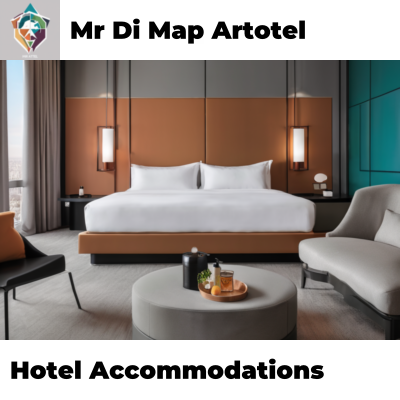
The contemporary traveler faces an increasingly complex landscape when seeking accommodations. What was once a straightforward decision—pick a hotel, book a room, arrive—has transformed into something altogether more intricate. Today's visitors to Chicago grapple with competing priorities: maintaining financial prudence while refusing to sacrifice comfort, seeking authentic local character without forfeiting modern amenities, and desiring convenient locations without paying premium prices for established luxury chains.
This predicament isn't merely about finding a place to sleep. Rather, it encompasses the entire experience of arrival, the quality of furnishings, the expertise of staff, the availability of services, and ultimately, whether the value justifies the expenditure. Budget-conscious travelers often worry about hidden costs, maintenance issues in older establishments, or sterile corporate environments that feel disconnected from the vibrant character of their chosen destination.
Mr Di Map Artotel understands these nuanced concerns. Located at 5959 Mr Di Ave, Chicago, IL 60608, this establishment recognizes that affordability and quality need not be mutually exclusive concepts. The challenge many visitors face involves distinguishing between genuinely affordable options and those that simply appear inexpensive while delivering substandard experiences.
The Misconception About Budget Hotels
Many travelers harbor a significant misconception: affordable accommodations must inherently compromise on quality, cleanliness, or customer service. This assumption persists despite considerable evidence to the contrary. The reality proves far more nuanced. Strategic establishments can maintain exceptional standards while keeping rates accessible through efficient operations, strategic partnerships with suppliers, and a business model prioritizing volume and customer retention rather than luxury pricing.
Budget-friendly hotels that succeed do so by understanding what truly matters to guests. They invest in the fundamentals—comfortable beds, functional bathrooms, reliable temperature control, and responsive maintenance. They recognize that travelers would rather have clean, well-maintained basics than elaborate amenities they don't use.
What Sets Affordable Quality Hotels Apart from Their Competitors
Several distinguishing factors separate genuinely good budget hotels from mediocre alternatives. Understanding these differences empowers travelers to make informed decisions about where to rest their heads during Chicago visits.
The Importance of Location Strategy
Location represents perhaps the most critical factor in determining a hotel's value proposition. Mr Di Map Artotel's positioning in Chicago's South Side provides distinct advantages. Rather than charging premium prices for downtown proximity, the hotel offers accessibility to significant neighborhoods while maintaining distance from tourist-focused markup zones. This approach means guests gain authentic neighborhood experiences without the inflated costs associated with tourist-dense areas.
The strategic placement near multiple transportation corridors—including easy access to Chicago's excellent public transit system—eliminates the necessity for expensive car rentals or excessive taxi fares. Guests can reach major attractions, business districts, and entertainment venues without the premium pricing associated with central location hotels. This represents smart value architecture.
Recognition of Essential versus Luxury Services
Truly affordable hotels excel at distinguishing between services that genuinely enhance guest experiences and amenities that inflate costs without proportional benefit. Consider the difference between a functional work desk (essential) and an elaborate spa facility (luxury). Between reliable WiFi (essential) and an on-site fine dining restaurant (luxury). Between climate-controlled rooms (essential) and rooftop infinity pools (luxury).
This distinction isn't dismissive of nice amenities. Rather, it acknowledges that budget-conscious travelers often prioritize functional comfort. They want reliable, clean accommodations with appropriate services for their specific needs—whether business travel, family vacation, or extended stay requirements. Hotels that understand this demographic provide excellent value by focusing resources precisely where guests require them most.
The Financial Perspective: Breaking Down What Affordable Actually Means
Affordability requires precise definition. For some travelers, "affordable" might mean under $100 nightly. For others, it represents any option below local market averages. Understanding the genuine cost structure behind hotel pricing illuminates why certain establishments offer superior value.
Operational Efficiency and Its Impact on Guest Pricing
Hotels reduce costs—and subsequently lower rates—through various operational strategies that don't compromise guest experience. Energy-efficient systems lower utility expenses. Strategic staffing ensures adequate coverage without excess labor costs. Streamlined booking systems reduce administrative overhead. Partnership arrangements with laundry services, food suppliers, and maintenance contractors negotiate volume discounts passed partially to guests.
Importantly, many modern budget hotels have abandoned the "cut corners" approach that previously characterized economy accommodations. Contemporary efficient operations mean hotels maintain quality standards while simply operating with less waste and more intelligent resource allocation.
Understanding Rate Variation and Booking Timing
Budget hotels typically employ dynamic pricing strategies that reward flexible, advance-booking guests. Travelers who book several weeks ahead often access significantly lower rates than those seeking same-week accommodations. This business model protects the hotel's revenue while offering excellent deals to planners. Understanding this dynamic allows savvy travelers to access premium values through strategic timing rather than settling for inferior properties.
Several factors influence pricing variations:
- Seasonal demand fluctuations—Chicago experiences distinct seasonal patterns affecting hotel occupancy
- Local event calendars—conferences, sporting events, and cultural festivals drive demand spikes
- Day-of-week variations—weekend rates typically exceed weekday options
- Cancellation policies—non-refundable bookings frequently offer lower rates than flexible alternatives
- Length-of-stay discounts—weekly and monthly rates provide significantly better value than single-night bookings
The Hidden Costs Many Travelers Overlook
Identifying truly affordable accommodations requires awareness of fees beyond base room rates. Some hotels charge separately for parking, WiFi, telephone calls, bottle water, gym access, or early check-in. These seemingly small charges accumulate substantially. Transparent budget hotels build appropriate services into advertised rates rather than employing aggressive nickel-and-diming strategies.
Key Services and Features That Matter Most to Budget-Conscious Guests
Effective budget hotels concentrate on delivering specific services that directly improve guest satisfaction and justify their pricing position relative to cheaper, lower-quality alternatives.
Reliable Comfort Fundamentals
The foundation of acceptable accommodation begins with functional basics. Guests require beds that support comfortable sleep—firm mattresses, quality pillows, and fresh linens represent non-negotiable standards. Temperature control through functioning HVAC systems prevents guests from shivering through cold nights or sweating through summer stays. Functional bathrooms with adequate water pressure and reliable plumbing transform daily routines from frustrations into normalcy.
These fundamentals seem obvious until you've experienced substandard versions. A lumpy mattress ruins sleep for entire nights. Inadequate heating forces guests to wear jackets indoors. Weak water pressure makes showers disappointing. Quality budget hotels eliminate these sources of guest irritation through proper maintenance and appropriate initial selections.
Connectivity and Work-Enabling Features
Contemporary travelers increasingly require reliable, fast internet connectivity. Whether conducting business remotely, maintaining social connections, or researching local attractions, WiFi has transitioned from luxury amenity to basic expectation. Budget hotels that provide robust wireless networks differentiate themselves significantly from competitors still struggling with spotty coverage.
Beyond basic WiFi, considerations include:
- Adequate electrical outlets for charging devices throughout guest rooms
- Dedicated desk spaces with appropriate lighting for work tasks
- Mobile-friendly booking systems enabling guests to access reservation information instantly
- Business center access for guests requiring printing or scanning services
Cleanliness Standards and Maintenance Excellence
Nothing sabotages hotel experiences faster than cleanliness failures. Visible dust, stains on linens, bathroom mold, or sticky floors transform budget-friendly pricing from advantage to liability. Conversely, impeccably maintained, thoroughly cleaned rooms create positive impressions despite modest price points.
Effective budget hotels establish rigorous housekeeping protocols, regular maintenance schedules, and quality control inspections. They recognize that cleanliness costs comparatively little—proper training, adequate staffing, and systematic procedures—relative to its impact on guest satisfaction.
The Chicago Advantage: Why Location Matters for Value Seekers
Chicago's diverse neighborhoods offer distinct advantages for travelers seeking affordable quality accommodations. Understanding these geographic distinctions helps visitors optimize both budget and experience.
Neighborhood Character and Authentic Experiences
The South Side presents particular advantages for travelers valuing authentic neighborhood immersion. Rather than experiencing Chicago through sanitized tourist zones, South Side accommodations position guests within genuine residential and commercial communities. Local restaurants serve real Chicago dining rather than tourist-adapted versions. Independent shops and galleries reflect actual neighborhood character.
Mr Di Map Artotel's location provides access to:
- Bridgeport's historic character—this neighborhood's architectural heritage and local history resonate with culturally-curious travelers
- Canaryville's transitional energy—areas undergoing revitalization attract budget-conscious visitors interested in emerging neighborhood dynamics
- Genuine local commerce—independent businesses, local manufacturers, and authentic services characterize the area
- Reduced tourist pricing—restaurants, attractions, and services avoid the markup common in tourism-concentrate
Transportation Connectivity Without Premium Pricing
Chicago's public transit system offers exceptional coverage, particularly from South Side locations. The CTA Red Line, accessible near Mr Di Map Artotel, connects directly to downtown Chicago, enabling guests to reach major attractions, business districts, and entertainment venues without expensive taxi fares or rental car hassles.
This transportation advantage means budget travelers can:
- Access downtown attractions affordably—single rides cost under $3, with day passes offering exceptional value
- Avoid parking expenses—hotels in transit-accessible areas eliminate the $20-40 daily parking fees common in central locations
- Reach O'Hare and Midway airports conveniently—both major airports connect to the CTA network serving the South Side
- Explore neighborhoods systematically—comprehensive transit access encourages exploration beyond immediate hotel vicinity
The cumulative savings from transportation efficiency substantially offset any distance from downtown areas, creating genuine financial advantage beyond mere room rate reductions.
Proximity to Authentic Attractions and Cultural Venues
Travelers often overlook neighborhood attractions when fixating on marquee downtown destinations. Yet some of Chicago's most compelling experiences exist in residential areas. The South Side offers:
- Museum Campus proximity—the Field Museum, Shedd Aquarium, and Adler Planetarium sit within accessible range
- Grant Park access—Chicago's famous green space and lakefront present endless recreational possibilities
- Historic architecture—distinctive neighborhood buildings reflect Chicago's architectural evolution
- Local cultural institutions—independent theaters, galleries, and performance spaces offer authentic arts engagement
Budget-conscious travelers who venture beyond downtown typically discover richer experiences at lower costs than tourists confined to premium-priced central zones.
Understanding Guest Demographics and Their Diverse Accommodation Needs
Affordable hotels serve remarkably diverse clientele, each with distinct requirements and priorities. Recognizing these variations illuminates why budget accommodations require thoughtful design beyond simple cost-cutting.
Business Travelers Seeking Functional Value
Corporate guests often book budget hotels due to corporate travel policies, departmental budget constraints, or personal preference for value optimization. These professionals require reliable basics—comfortable work surfaces, dependable WiFi, functional desks with appropriate lighting, and professional environments suitable for client calls or video conferences.
Business travelers typically appreciate:
- Quiet room locations—distance from hallways and elevators reduces noise disruption
- Early breakfast options—quick morning meals enable timely departures for meetings
- Express check-in/check-out processes—efficiency respects professionals' time constraints
- Reliable alarm services—ensuring guests meet critical departure times
- Professional front desk staff—courteous, knowledgeable employees who solve problems efficiently
Business-focused budget hotels often emphasize reliability and professionalism over decorative frills, creating environments that support productivity without excessive cost.
Leisure Travelers Prioritizing Experience Over Luxury
Vacation travelers frequently choose budget accommodations specifically to allocate funds toward attractions, dining, and experiences rather than elaborate hotel amenities. These guests view hotels as convenient bases rather than destinations themselves. They want clean, comfortable, functional rooms—nothing more. Their priority lies in exploration and activity, not lounging in luxury suites.
Leisure travelers value:
- Convenient location for neighborhood exploration—proximity to transit, restaurants, and local attractions
- Safe, walkable surroundings—peace of mind when navigating neighborhoods
- Helpful staff recommendations—local knowledge enhancing exploration efficiency
- Secure storage for luggage—enabling full-day exploration after checkout
- Reasonable noise standards—adequate sleep preparation for active days
Budget hotels that understand leisure travelers provide bases supporting exploration rather than attempting to compete with luxury properties on amenities guests don't need or want.
Extended-Stay Guests with Specific Functional Requirements
Travelers requiring multi-week or monthly accommodations have dramatically different needs than short-term visitors. Extended stays demand different room configurations, laundry facilities, kitchen access, and workspace arrangements than typical hotel rooms support effectively.
Extended-stay requirements include:
- Kitchenettes or cooking facilities—enabling meal preparation rather than eating every meal at restaurants
- Adequate storage for belongings—extended stays require closet space, drawers, and shelving beyond typical hotel room capacity
- Laundry access—on-site facilities or nearby laundromats eliminate expensive hotel laundry services
- Flexible maid service—daily cleaning becomes unnecessary; weekly or bi-weekly service suffices
- Reasonable weekly/monthly rate reductions—recognizing extended stays' higher volume should yield discounts
Budget hotels designed for extended stays can offer exceptional value by simplifying services, expanding storage, and negotiating substantial discounts for longer commitments.
Quality Indicators That Distinguish Exceptional Budget Hotels from Mediocre Ones
Identifying genuinely high-quality budget accommodations requires understanding specific quality markers that signal consistent excellence without premium pricing.
Staff Expertise and Customer Service Orientation
The most reliable quality indicator involves observing how hotels treat guests and handle problems. Exceptional budget hotels employ well-trained, motivated staff who solve problems creatively within reasonable constraints. Front desk employees possess neighborhood knowledge, assist with transit questions, and anticipate guest needs. Housekeeping staff take pride in room cleanliness and maintenance. Maintenance personnel respond promptly to reported issues.
Staff quality reflects management philosophy. Hotels that invest in employee training, reasonable compensation, and positive work environments generate superior service regardless of price point. Conversely, hotels that minimize labor costs through inadequate staffing or poor training deliver correspondingly mediocre experiences.
Observable staff quality indicators include:
- Prompt response to service requests—issues addressed within reasonable timeframes
- Problem-solving orientation—staff empowered to make decisions serving guest interests
- Professional appearance and communication—neat uniforms, courteous language, attentive demeanor
- Local knowledge—staff capable of providing neighborhood recommendations and transit guidance
- Consistency across shifts—quality maintained regardless of time of day or season
Maintenance Standards and Preventive Care Programs
Well-maintained budget hotels exhibit attention to detail in spaces guests see daily. Paint remains fresh rather than chipped. Carpets are clean without stains or worn patches. Bathroom fixtures function properly without leaks or corrosion. Air conditioning produces consistent, reliable temperature control. These observations indicate systematic maintenance rather than reactive repairs.
Quality hotels implement preventive maintenance schedules addressing issues before they become guest-affecting problems. HVAC systems receive regular servicing. Plumbing receives routine inspection. Electrical systems undergo safety checks. Parking areas remain well-lit and maintained. Guest rooms receive quarterly deep cleaning beyond daily service.
Budget hotels can maintain excellent conditions through systematic planning and appropriate resource allocation. The difference between shabby and immaculate properties rarely involves luxury features—it reflects management commitment to consistent, thorough maintenance.
Online Review Patterns and Authenticity Assessment
Contemporary travelers increasingly rely on online reviews when evaluating accommodations. However, discerning authentic feedback from fake reviews or outlier experiences requires careful analysis. Legitimate budget hotels typically receive consistent 4-4.5 star ratings rather than perfect 5-star reviews (which often indicate artificially enhanced ratings). Reviews should mention specific aspects—cleanliness, staff helpfulness, location convenience—rather than generic praise.
Patterns indicating genuine quality include:
- Consistent mention of specific positive aspects—repeated mention of helpful staff, clean rooms, or convenient location
- Realistic acknowledgment of limitations—occasional mentions of modest amenities while emphasizing value
- Problem-solving evidence—accounts of staff addressing issues satisfactorily when problems occurred
- Repeat visitor feedback—travelers returning multiple times suggesting genuine satisfaction
- Detailed comparisons to other properties—reviewers demonstrating knowledge of alternatives they chose against
Conversely, warning signs include suspiciously perfect ratings, generic praise lacking specific details, complaints about cleanliness or maintenance, or accounts of unresponsive staff.
Transparent Pricing Without Hidden Fees
Quality budget hotels publish rates honestly, identifying all charges upfront rather than surprising guests with unexpected fees. Their websites clearly explain what's included—WiFi, parking, breakfast, gym access—and what costs extra. Booking confirmations itemize charges explicitly. Front desk staff can explain any additional fees when guests check in.
This transparency reflects genuine confidence in value propositions. Hotels with questionable quality often rely on aggressive fee structures to boost revenue after guests commit to bookings. Quality properties trust their basic offerings to satisfy guests, viewing additional fees as supplements rather than revenue foundation.
Fee transparency indicators include:
- Clear rate information—websites distinguishing room rate from additional charges
- Parking policy clarity—explicit statements about included or paid parking
- Amenity descriptions—specific details about what services guests access
- Cancellation policy transparency—clear refund conditions and timing
- Resort fee avoidance—legitimate budget hotels rarely employ undefined "resort fees"
The Value Proposition: Calculating True Affordable Hotel Economics
Understanding how budget hotels